
An urgent care pet clinic plays a crucial role in providing immediate medical attention to animals in need. These clinics are essential in communities, offering specialized care that encompasses a variety of daily tasks necessary for maintaining the well-being of pets.
Such facilities cater to a wide range of medical needs, offering everything from routine check-ups to emergency procedures. Understanding the daily operations of these clinics highlights their importance within the ecosystem of animal healthcare.
By offering tailored services and ensuring swift responses to medical emergencies, an urgent care pet clinic serves as a lifeline for pet owners. Its work ensures that pets receive timely and effective treatment to mitigate health problems.
1. What Services Do Urgent Care Pet Clinics Offer?
Diagnostic Services
Diagnostic services are a cornerstone of urgent care pet clinics, providing critical insights into an animal’s health condition. Clinics offer facilities such as X-rays, blood tests, and ultrasounds to diagnose a variety of ailments.
These diagnostic tools enable veterinarians to assess and identify underlying health issues accurately. Fast and reliable diagnostics are essential for effective treatment planning and improved patient outcomes.
With advanced equipment and skilled staff, urgent care clinics can quickly determine the cause of an animal’s distress. This capability allows for timely interventions that can be life-saving in emergency scenarios.
Emergency Treatments
Immediate treatments are vital in urgent care settings, addressing critical conditions that demand swift action. Urgent care clinics are equipped to manage emergencies like wound care, surgeries, and stabilization of critical conditions.
The ability to perform emergency surgeries and other interventions on-site is a significant advantage of these facilities. This capability ensures that pets receive the necessary care without the delay of transportation to other facilities.
Moreover, clinics prioritize the stabilization of critically ill animals, providing necessary treatments to ensure their safety before they are moved to another care facility if needed. This systematic approach to emergency care is a core function of urgent care clinics.
2. How Do Pet Clinics Manage Patient Flow?
Triage and Assessment
Effective triage and assessment systems are crucial for managing patient flow in urgent care clinics. Staff prioritize cases based on severity, ensuring that the most critical conditions receive immediate attention.
These systems are designed to identify severe cases quickly, allowing for the rapid initiation of necessary treatments. By doing so, clinics can manage their resources efficiently while providing high-quality care for all patients.
Triage assessments are conducted as soon as the pet arrives, which helps streamline operations by organizing cases from least to most severe. This organized approach is essential in maintaining an orderly and responsive clinic environment.
Appointment and Walk-Ins
While scheduled appointments allow for smoother operation throughout the day, many pet clinics also accommodate walk-ins. This flexibility is critical, as emergencies can arise unexpectedly and require immediate attention.
Clinics often balance the day’s scheduled appointments while leaving room for walk-in patients, ensuring all animals receive timely care. The ability to manage both scheduled and unscheduled visits requires careful planning and resource allocation.
During particularly busy times, clinics can adapt by increasing staff availability and utilizing efficient scheduling systems. This adaptability is key to maintaining smooth operations and a high level of care for each patient.
3. What Are the Roles of Different Staff Members?
Veterinarians
Veterinarians in urgent care settings carry the primary responsibility of diagnosing and treating animal health issues. They perform examinations, prescribe treatments, and carry out procedures based on their assessments.
These professionals are at the forefront of patient care, applying their expertise to ensure pets receive the best possible medical outcomes. Their role is critical in both routine and emergencies.
With a comprehensive understanding of animal health, veterinarians make vital decisions concerning the care and management of patients. Their work is supported by diagnostic results and the collaborative efforts of the clinic staff.
Support Staff
Support staff, including veterinary technicians and receptionists, play crucial roles in clinic operations. Technicians assist with medical procedures, patient care, and provide support to veterinarians during examinations and treatments.
Receptionists manage the flow of patients by handling appointments, paperwork, and communicating with pet owners. Their efficiency ensures the clinic operates smoothly, even during peak hours.
Each staff member’s contributions are integral to the clinic’s functionality, as they maintain the organization and ensure a high standard of service. Their work is essential for creating a welcoming and effective care environment.
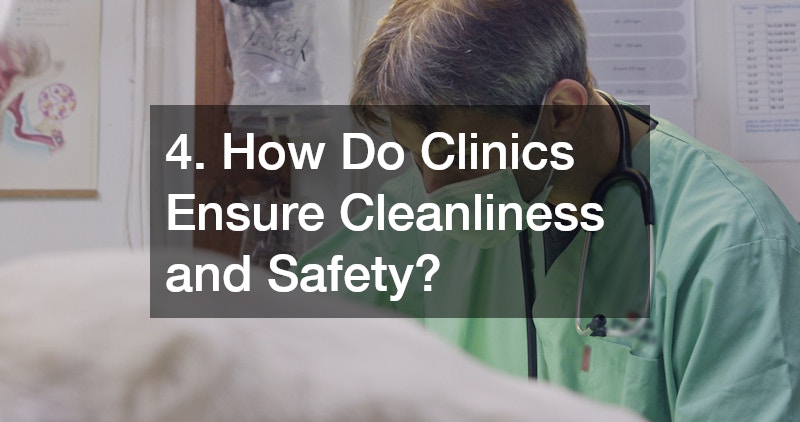
4. How Do Clinics Ensure Cleanliness and Safety?
Sanitation Protocols
Maintaining a sterile and hygienic environment is paramount for an urgent care pet clinic. Clinics follow strict sanitation protocols to prevent the spread of infections among animals and staff.
Regular cleaning of examination and waiting areas, as well as proper disposal of medical waste, are standard practices. These measures help safeguard the health of every pet and individual entering the clinic.
Sanitation routines are continuously evaluated and enhanced to meet health standards and improve clinic conditions. Ensuring cleanliness is crucial in creating a safe and comfortable space for care delivery.
Safety Measures
Safety protocols are vital to protect both the animals and the staff working within the clinic. Clinics implement measures such as controlled access to certain areas and the use of appropriate safety equipment.
Training programs for staff members on safe handling techniques further contribute to risk management. These protocols minimize accidents and ensure a controlled environment conducive to effective animal care.
Clinics also enforce guidelines for dealing with aggressive animals and handling medication securely. By prioritizing safety, clinics can maintain a secure environment while providing efficient medical services.