Every business owner wants to grow, but expanding too fast or in the wrong direction can expose you to risks you never saw coming. Liability concerns, from workplace accidents to product defects, can quietly undermine years of hard work if they are not factored into your planning. Understanding how legal exposure connects to business decisions helps you grow in a way that protects your assets and your future.
This article breaks down the key liability considerations that should inform your strategy, whether you run a small shop or a growing company with employees on the road.
Understanding How Growth Increases Your Exposure
Scaling a business naturally means more customers, more employees, more locations, and more opportunities for something to go wrong. Each new hire, new vehicle, or new storefront adds another layer of potential liability that did not exist before. Many business owners focus entirely on revenue projections while overlooking the legal and financial risks that accompany expansion. Taking a step back to assess exposure before committing to growth can save significant money and stress later.
It helps to think of liability risk as a byproduct of complexity. The more moving parts your business has, the harder it becomes to monitor every interaction, transaction, and physical space for potential hazards. This is why companies that grow thoughtfully tend to build risk assessment into every major decision, not just the financial ones.
Evaluating Workplace Safety Before Expanding Operations
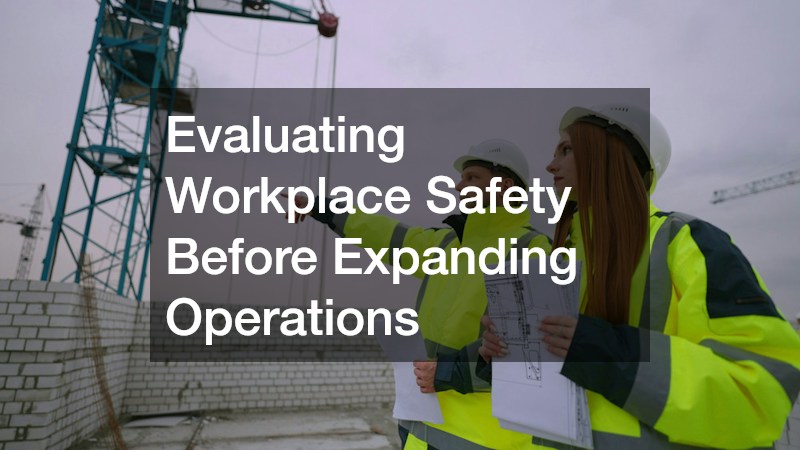
If your growth plan includes hiring more staff or opening a new facility, workplace safety needs to be part of the conversation from day one. Slip and fall incidents remain one of the most common sources of liability claims against businesses of all sizes, and they often happen in spaces that seemed perfectly safe to the owner. Wet floors, uneven walkways, poor lighting, and cluttered aisles are frequent culprits that are easy to overlook until an injury occurs.
Consulting with the best slip and fall attorneys in your area, even before an incident happens, can give you insight into what courts typically look for when determining fault. Understanding these standards ahead of time allows you to correct hazards proactively rather than reactively. This kind of foresight is especially valuable when you are adding new physical locations as part of your growth strategy.
- Inspect new spaces for tripping hazards before opening to the public
- Install proper signage for wet floors or construction areas
- Keep walkways well lit and free of clutter
- Train staff to report hazards immediately
- Document safety inspections regularly to show due diligence
Assessing Vehicle and Fleet Risk as You Scale
Businesses that rely on delivery vehicles, service trucks, or employee travel face a unique category of liability that grows alongside the company. A single car accident involving a company vehicle can result in medical bills, property damage claims, and reputational harm that stretches far beyond the cost of the accident itself. As you add vehicles or drivers to support growth, your exposure to these incidents increases proportionally.
Smart business owners build vehicle safety protocols into their expansion plans rather than treating them as an afterthought. This includes regular maintenance schedules, driver background checks, and clear policies around phone use and fatigue management. Taking these steps early reduces the chances of a costly incident derailing your momentum just as the business starts to gain traction.
Choosing Insurance Coverage That Matches Your Growth Trajectory
Insurance is often treated as a box to check rather than a strategic tool, but the right coverage can be the difference between a minor setback and a business-ending event. As your company grows, your existing policy may no longer reflect the actual risks you face, leaving dangerous gaps in protection. Reviewing your coverage annually, or whenever you make a major operational change, ensures you are not caught off guard.
General liability, product liability, and commercial auto coverage all serve different purposes, and a growing business often needs more than one type working together. Working with an insurance professional who understands your industry can help you identify where your current policy falls short. This is especially important if your growth strategy involves new products, services, or geographic markets that carry different risk profiles.
- Review policy limits annually as revenue and headcount grow
- Add product liability coverage if launching new offerings
- Confirm commercial auto coverage includes all drivers and vehicles
- Ask about umbrella policies for additional protection
- Reassess coverage after mergers, acquisitions, or new locations
Knowing When to Involve Legal Counsel Early
Many business owners wait until a problem arises to contact an attorney, but this reactive approach often costs more in the long run. Bringing a personal injury attorney or business litigation specialist into early growth conversations can help you spot contractual and liability issues before they become expensive disputes. Legal counsel can also review vendor agreements, lease terms, and employment contracts to ensure they protect your interests as you scale.
It is worth noting that personal injury lawyers are not only useful after an accident happens. Many offer consultations that help businesses understand their exposure and build stronger internal policies from the start. Treating legal guidance as a growth tool rather than a last resort tends to produce better outcomes over time.
Building Internal Policies That Reduce Claims Before They Happen
Clear internal policies act as a first line of defense against liability claims, and they become even more important as your team expands. Written procedures for handling customer complaints, reporting injuries, and documenting incidents create consistency across locations and shifts. Without these systems, even well-meaning employees may respond to problems in ways that increase your legal exposure rather than reduce it.
Training is just as important as the policies themselves. Staff should know exactly what to do if a customer is injured on the premises or if a workplace accident occurs, including who to notify and what documentation to collect. Companies that invest in this kind of preparation often find that it also improves customer trust, since problems are handled quickly and professionally.
- Create a written incident reporting procedure for all locations
- Train managers on how to document accidents accurately
- Establish a clear chain of communication for legal or insurance matters
- Review and update policies as the business grows
- Conduct periodic refresher training for long-term employees
Using Technology to Monitor and Reduce Risk
Modern businesses have access to tools that were not available even a decade ago, and many of these can play a direct role in liability prevention. Cutting edge monitoring systems, from security cameras to fleet tracking software, give owners real-time visibility into potential hazards before they escalate into claims. This kind of technology is particularly valuable for businesses expanding into multiple locations where hands-on oversight becomes harder to maintain.
Investing in these tools is not just about catching problems after they happen. Many systems now offer predictive alerts, flagging patterns like repeated near misses or maintenance issues before they result in actual harm. For a growing business, this proactive layer of protection can significantly reduce the frequency and severity of liability claims over time.
Partnering With the Right Legal Professionals for Your Industry
Not every attorney specializes in the same areas, and finding the right fit matters when liability concerns are specific to your industry. A retail business might benefit most from working with the best car accident attorney in the region if delivery vehicles are part of daily operations, while a manufacturing company may need someone well-versed in product liability. Taking the time to find professionals who understand your specific business model pays off when a real dispute arises.
Building this relationship before you need it is far more effective than scrambling to find representation after an incident. A trusted legal partner can review your growth plans, flag potential risks, and help you make informed decisions at every stage. This kind of ongoing relationship turns legal counsel into a genuine growth partner rather than an emergency contact.
Conclusion
Growth and risk management are not opposing forces; they are two sides of the same strategic coin. By factoring liability exposure into every expansion decision, from new hires to new locations, you protect the business you have worked hard to build. Take time this quarter to review your current policies, safety procedures, and legal relationships before your next growth milestone. A little preparation now can prevent a setback that costs far more than the growth itself was worth.